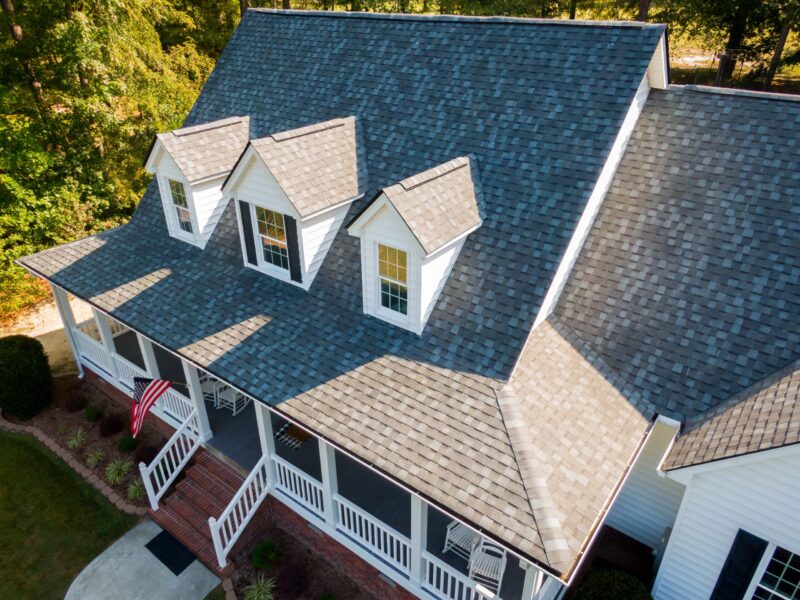
Winter can be one of the toughest seasons for a home. Cold temperatures, heavy snow, and repeated freeze-thaw cycles can create perfect conditions for leaks to form. Many homeowners first notice water spots on ceilings or walls when winter weather hits, and by then, the damage may already be underway. Understanding why these leaks happen is the first step toward preventing costly repairs and protecting your home through the coldest months of the year. That’s why our roofers in NH are here this month with some tips on what to do if you encounter any of these issues this winter.
The Freeze-Thaw Cycle
One of the most common causes of winter leaks is the freeze-thaw cycle. When temperatures rise above freezing during the day and drop again at night, any moisture on your roof can freeze, melt, and refreeze. This constant expansion and contraction can loosen shingles, open gaps, and allow water to seep into the roof structure. Over time, even a small gap can become a significant source of moisture entry.
Ice Dams and Their Impact
Ice dams are another major contributor to winter leaks. These form when the roof warms enough to melt snow, but the edges remain cold. Melted snow flows downward, refreezes at the eaves, and creates a ridge of ice. As more snow melts, water pools behind the dam and eventually works its way beneath the shingles. This can allow water to move into the attic, insulation, and ceiling materials.
Condensation Inside the Home
Not all winter leaks come from the outside. Condensation can build up inside the home when warm indoor air meets a cold surface, such as a poorly insulated attic or wall cavity. Over time, this moisture can drip downward, creating stains that look very similar to roof leaks. Poor ventilation is usually the culprit, and addressing airflow can make a significant difference.
Aging or Damaged Roofing Materials
Winter weather puts added stress on roofing materials that may already be worn. Cracked shingles, deteriorated flashing, and loose roofing components are more vulnerable during cold months. When snow and ice sit on a damaged roof surface, they can quickly take advantage of small weaknesses and turn them into active leaks.
How to Prevent Winter Leaks
The best way to stop winter leaks is through preparation. A professional roof inspection before the cold season can identify weak spots or damaged materials that need attention. Ensuring your attic has proper insulation and ventilation will help prevent ice dams and condensation.
Stay Ahead of Winter Damage with the Help of Our Roofers in NH
Winter leaks don’t have to be a surprise. With the right maintenance and preventative steps, you can protect your home from the costly effects of cold weather. If you want help identifying potential risks or need repairs before temperatures drop further, contact us today to schedule an inspection with our roofers in NH. At Ed Cyr Roofing, we’re here to keep your home safe, dry, and ready for winter.