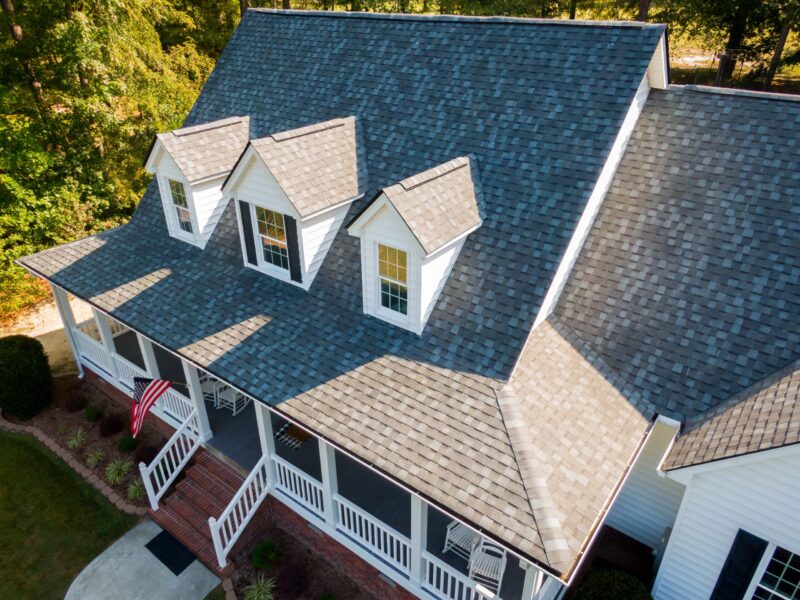
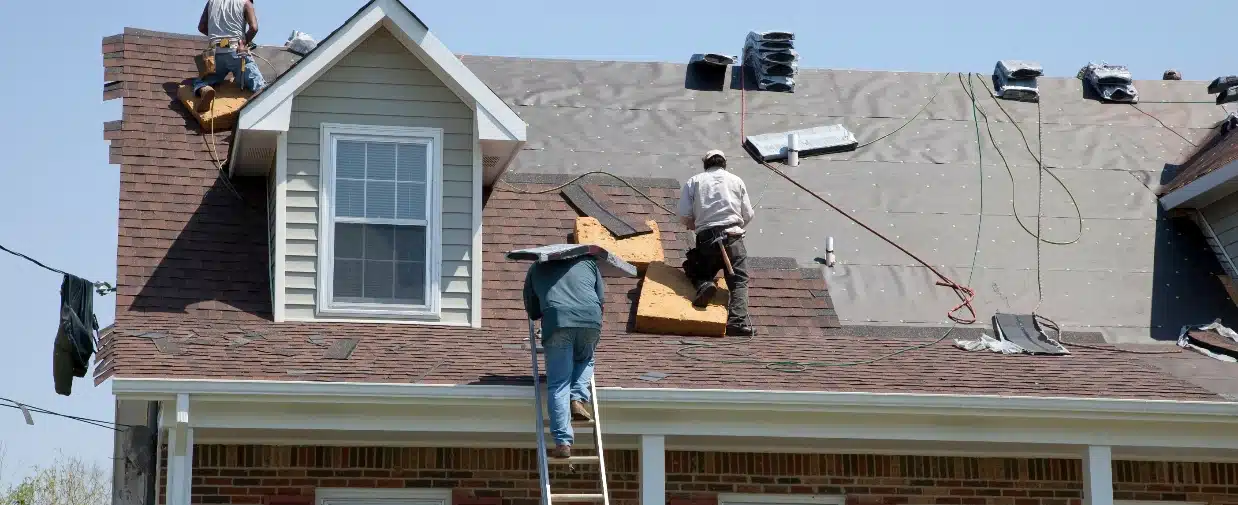
When most people think about roofing, they picture shingles or tiles, but the real protection starts underneath. At Ed Cyr Home Improvements, we believe an informed homeowner makes smarter decisions about their roof. That’s why, as a trusted roofing company NH homeowners rely on, we want to break down the importance of roofing underlayment and the different types available.
What Is Roofing Underlayment?
Roofing underlayment is the protective layer installed directly onto your roof deck, beneath the visible roofing material. It acts as a secondary barrier against moisture, wind, and other environmental elements. Whether your home faces snow accumulation in the winter or driving rain in the spring, underlayment helps keep your interior dry when the outer layer of your roof is compromised.
In short, it’s your roof’s last line of defense—and a crucial part of a durable roofing system.
Three Main Types of Underlayment
1. Asphalt-Saturated Felt
Traditionally known as “felt paper” or “tar paper,” this type of underlayment has been used for decades. Made with organic materials soaked in asphalt, it’s affordable and water-resistant. While it’s not as common today due to newer innovations, it’s still an option for budget-conscious homeowners or small repair jobs.
Pros:
- Inexpensive
- Readily available
- Simple to install
Cons:
- Less durable over time
- Can tear in high winds or during installation
2. Synthetic Underlayment
Synthetic underlayment has quickly become a preferred choice for many contractors. Made from polypropylene or polyethylene, it’s lightweight, strong, and provides excellent water resistance. It’s also less slippery during installation, making it a safer option for roofing crews.
Pros:
- High tear resistance
- Better performance in extreme weather
- Longer lifespan than felt
Cons:
- Slightly more expensive
- Not all products are created equal—quality varies by brand
3. Rubberized Asphalt
For homeowners seeking premium protection, rubberized asphalt underlayment is the top-tier choice. It typically includes a self-adhering membrane with a high percentage of asphalt and rubber polymers. This option creates a watertight seal, making it ideal for vulnerable areas like valleys, eaves, and low-slope sections.
Pros:
- Superior waterproofing
- Excellent adhesion to roof decking
- Ideal for ice dam prevention
Cons:
- Higher cost
- Heavier material may require professional handling
Why Underlayment Matters
Even the best roofing shingles can lift or become damaged during storms. Without proper underlayment, water can seep into your roof decking, causing mold, rot, or interior leaks. In regions like New Hampshire, where snow, ice dams, and wind-driven rain are common, underlayment is essential for long-term protection.
At Ed Cyr Home Improvements, we ensure that every roofing project includes the proper underlayment tailored to your specific needs and local climate. We don’t cut corners, because your home deserves more than surface-level protection.
Choosing the Right Roofing Company
Underlayment may not be visible once the project is done, but it plays a critical role in your roof’s performance. Partnering with an experienced roofing company NH residents trust ensures that your roof is built to handle everything the seasons throw at it.
Whether you’re building a new home, replacing an old roof, or just curious about the layers protecting your property, Ed Cyr Home Improvements is here to guide you every step of the way. Contact us today to schedule a consultation and discover how we can help protect your home from the elements, starting with the very first layer.